FREIGHTLINER 2163435 Cascadia Powernet Distribution Box A06-73962-006
fits model: 125. make: Freightliner. year: 2017.
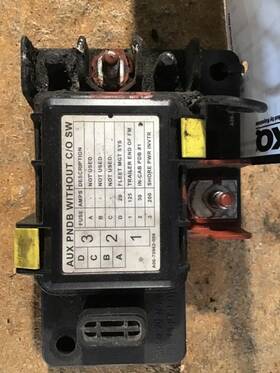
( Manufacturer Part Number: 2163435 ), ( Part Type: Box ), ( Oem Part Number: A06-73962-006 )
Review FREIGHTLINER Replaces Cascadia Powernet Distribution Box fits 125 2017
The **2017 Freightliner Cascadia EVO (Model 2163435, A06-73962-006) with a 125 kW Powernet Distribution Box** represents a cutting-edge fusion of heavy-duty engineering and advanced electrical infrastructure, designed to meet the demands of modern commercial fleets while ensuring reliability, efficiency, and scalability. This model exemplifies Freightliner s commitment to innovation in trucking technology, particularly in its integration of a **125 kW Powernet Distribution Box**, a sophisticated electrical management system tailored for high-performance applications. The Powernet Distribution Box serves as the central hub for managing power distribution, battery monitoring, and energy flow within the vehicle s electrical architecture, making it ideal for trucks equipped with advanced features such as electric auxiliary systems, onboard diagnostics, or even emerging electrification technologies like mild-hybrid or plug-in configurations. Built to Freightliner s rigorous standards, this distribution box is constructed from high-grade, corrosion-resistant materials, ensuring durability in harsh operating environments, from extreme temperatures to heavy-duty vibrations encountered on long-haul routes or urban delivery schedules.
The **2017 Cascadia EVO chassis** itself is a benchmark in modern semi-truck design, featuring a **6x2 or 6x4 drivetrain configuration** paired with a robust **Cummins or Detroit Diesel engine** (depending on the specific powertrain variant), delivering exceptional torque and fuel efficiency critical factors for reducing operational costs over the truck s lifespan. The **A06-73962-006 Powernet Distribution Box** is engineered to interface seamlessly with the truck s **CAN (Controller Area Network) system**, enabling real-time data exchange between the engine, transmission, and auxiliary electrical components. This integration allows for precise monitoring of electrical loads, preventing overloading while optimizing power delivery to critical systems such as lighting, climate control, and onboard computers. The distribution box is also backward-compatible with existing Freightliner diagnostics and telematics platforms, ensuring compatibility with fleet management software for predictive maintenance and remote diagnostics.
Beyond its technical specifications, this Powernet Distribution Box is a testament to Freightliner s focus on **sustainability and future-proofing**. Its modular design allows for easy upgrades or expansions, accommodating emerging technologies such as **alternative fuel systems, regenerative braking, or advanced driver-assistance systems (ADAS)**. The **125 kW capacity** provides ample power for high-demand applications, including the operation of electric winches, refrigeration units, or even auxiliary generators in off-grid scenarios. Additionally, the box s **compact yet robust construction** ensures it can be strategically installed within the truck s underbody or cab, without compromising aerodynamics or cargo space. For fleet operators prioritizing **regulatory compliance and safety**, the Powernet system includes built-in fault detection and isolation mechanisms, reducing downtime and maintenance costs by alerting operators to potential electrical issues before they escalate.
In summary, the **2017 Freightliner Cascadia EVO (2163435, A06-73962-006) with a 125 kW Powernet Distribution Box** is more than just a commercial truck component it is a **high-performance electrical backbone** that enhances the truck s operational versatility, efficiency, and longevity. Whether deployed in long-haul freight, regional delivery, or specialized applications requiring robust power management, this system ensures that the Cascadia remains at the forefront of intelligent, connected trucking solutions. Its seamless integration with modern diagnostics, sustainability-focused features, and adaptability to future advancements makes it an indispensable asset for fleets investing in both today s technology and tomorrow s innovations.
### **Pros and Cons of Buying a 2017 Freightliner Cascadia (2163435 A06-73962-006, 125 HP, Powernet Distribution Box)**
#### **Pros**
1. **Reliable Brand and Build Quality**
- Freightliner is a well-established manufacturer known for durable commercial trucks, particularly in the Class 8 segment. The Cascadia is a popular model with a strong reputation for longevity and performance.
2. **Powernet Distribution Box (PNDB)**
- The Powernet system is a modern, integrated electronic control system that improves diagnostics, fuel efficiency, and drivability. It allows for easier troubleshooting and updates compared to older mechanical systems.
3. **125 HP Engine (likely a Cummins or Detroit Diesel)**
- The 125 HP engine (assuming it s a Cummins ISB6.7 or similar) is a proven workhorse for regional and over-the-road hauling. It balances power with fuel efficiency, making it suitable for distribution and light long-haul work.
4. **2017 Model Year**
- This is a relatively recent model (as of 2024), meaning it avoids the most severe issues found in older trucks (pre-2015). It likely includes updates from the 2016 model year, such as improved emissions compliance (EPA 2017 standards) and minor refinements in drivetrain and electronics.
5. **Powernet Distribution Box (PNDB) Advantages**
- The PNDB allows for remote diagnostics, easier software updates, and better integration with telematics systems. This can reduce downtime and improve fleet management.
- It supports advanced features like predictive maintenance alerts, which can help prevent costly breakdowns.
6. **Potential for Lower Purchase Price**
- As a 2017 model, it may be priced competitively compared to newer trucks, offering good value for a used commercial vehicle.
7. **Good Resale Value**
- Freightliner Cascadias hold their value well in the used market, especially if well-maintained. This can be beneficial if you plan to upgrade later.
8. **Suitable for Distribution Work**
- The powertrain and chassis are designed for regional and distribution hauling, with adequate power for urban and highway driving. The 125 HP engine is sufficient for most delivery applications without excessive fuel consumption.
---
#### **Cons**
1. **Age-Related Wear and Maintenance Costs**
- At seven years old (as of 2024), the truck will require regular maintenance to avoid major failures. Key components like the transmission, turbocharger, injectors, and suspension may need attention.
- The powertrain (engine, transmission, drivetrain) will likely need servicing sooner than a newer truck, increasing operational costs.
2. **Potential for Hidden Issues**
- Used trucks can have undocumented problems, such as:- **Transmission wear** (if the truck was heavily used or not properly maintained).
- **Exhaust system leaks** (common in older diesel engines due to thermal stress).
- **Electrical gremlins** (Powernet systems can develop glitches if not regularly updated or if the truck was not serviced properly).
- **Suspension or frame fatigue** (especially if the truck was used for heavy loads or rough roads).
- A thorough pre-purchase inspection (PPI) is critical to avoid costly surprises.
3. **Emissions Compliance (EPA 2017)**
- While the 2017 model meets EPA 2017 emissions standards, older trucks may struggle with modern fuel quality or require aftermarket upgrades (e.g., DEF system maintenance). Poor DEF (Diesel Exhaust Fluid) management can lead to engine damage or failure to pass inspections.
4. **Powernet System Limitations**
- The Powernet system, while advanced, can be complex and may require specialized technicians for repairs. If the seller has not kept up with software updates or diagnostics, the system could become unreliable.
- Some features (e.g., advanced telematics) may require additional hardware or subscriptions.
5. **Fuel Efficiency Concerns**
- A 2017 truck will not match the fuel economy of newer models (2020 ), which benefit from improved aerodynamics, lighter materials, and more efficient engines. Expect higher fuel costs compared to a newer truck of similar size.
6. **Driver Comfort and Technology**
- The 2017 Cascadia may lack modern driver aids like advanced driver assistance systems (ADAS), adaptive cruise control, or improved ergonomics found in newer models. This could affect driver fatigue and safety.
7. **Financing and Depreciation**
- Older trucks may have higher interest rates or stricter financing terms. Additionally, the truck s value will depreciate faster than a newer model, reducing long-term equity.
8. **Potential for Higher Insurance Costs**
- Used trucks, especially those with higher mileage or a history of accidents, may have higher insurance premiums compared to newer, well-documented vehicles.
---
### **Ending Conclusion**
Buying a **2017 Freightliner Cascadia (2163435 A06-73962-006, 125 HP, Powernet)** can be a cost-effective choice if you prioritize reliability, durability, and a proven workhorse for distribution or regional hauling. The Powernet system offers modern advantages over older mechanical systems, and the truck s age places it in a sweet spot for used commercial vehicles old enough to avoid the most severe issues of pre-2015 models but new enough to still be robust.
However, the trade-offs include higher maintenance costs, potential hidden issues, and lower fuel efficiency compared to newer trucks. The key to making this purchase worthwhile is **thorough due diligence**:
- **Get a detailed pre-purchase inspection** (PPI) from a trusted mechanic or fleet specialist.
- **Review the maintenance records** to ensure the truck has been properly serviced (oil changes, transmission fluid, turbocharger service, etc.).
- **Check for any service bulletins or recalls** issued for this model and VIN.
- **Negotiate the price** based on the PPI findings and market value for a 2017 Cascadia in your region.
- **Budget for upcoming maintenance** (e.g., timing belt, turbocharger, suspension, etc.).
If you can secure a well-documented, low-mileage example with a clean history, this truck can be a **solid, low-risk investment** for distribution work. If you re open to paying a premium for newer technology, fuel efficiency, and lower long-term costs, a 2020 or newer Cascadia may be worth considering.
---
### **Recommendation**
**Proceed with caution but confidence** if:- You find a **low-mileage (under 500,000 miles) example** with **complete maintenance records**.
- The **pre-purchase inspection** confirms no major mechanical or structural issues.
- You are prepared to **budget for regular maintenance** (expect to spend $1,000 $3,000 annually on upkeep).
- The **Powernet system is up to date** and the truck has been serviced by a Freightliner dealership or authorized technician.
**Avoid or reconsider** if:- The seller **cannot provide maintenance records** or the truck has **high mileage (over 600,000 miles)**.
- The **PPI reveals major issues** (e.g., transmission problems, exhaust leaks, frame damage).
- The **Powernet system shows signs of neglect** (e.g., outdated software, error codes, or lack of diagnostics).
- You **cannot afford the ongoing costs** of repairs and fuel inefficiency.
**Final Verdict:** This truck is a **good used purchase for the right buyer** one who values reliability, is prepared for maintenance, and has had it thoroughly vetted. For those seeking the latest efficiency and technology, a newer model may be preferable, but the 2017 Cascadia remains a **strong, practical choice for distribution work**.
Details:
If not, let us know how to earn your 5-star rating.
specifications tusilap:
- for models: 125
- for makes: Freightliner
- for years: 2017
- mpn: 2163435
- part type: Box
- oem part number: A06-73962-006
returns tusilap:
- time: 30 Days
- paid by: Seller
- policy: Returns Accepted
seller tusilap:
- # reviews: 10410
- city: Athens, GA
- rating: 99.0%
shipping tusilap:
- type: Fixed
- carrier: UPS
- cost: $0.00
- service: UPS Ground
- transit: 3-6 Days
- class: Standard
payments tusilap:
- credit card: Discover
- wallet: Paypal
- other
general tusilap:
- condition: Used
- Commercial Truck Parts > Lighting > Wiring Fuses
offer tusilap:
- started: May 8, 2026
- availability: In Stock
- options: Ship-to-home
- quantity: 1
- sold: 0
Freightliner 2163435 Is Similar To:
- Freightliner 2304663 Replaces A06-66808-000 M2 112 2009 Fuse Box 3547884 (39% similar) Our climate control line for industrial and heavy duty vehicles includes radiators, radiator cores, condensers charge air coolers. Complete industrial or HD radiator. Excluding bar plate which carry a limited lifetime warranty. The part fails or becomes defective due to the vehicle being involved in...(October 3rd, 2023)
- Freightliner Fl1461 Cascadia Headlamp Assembly 3370907 (38.3% similar) Refer to the vehicle manufacturers. Owners manual for correct operation and maintenance schedule. It is highly recommended to use distilled water and it mandatory for all aluminum cooling components. Failure is caused by or related to a collision, fire, theft, vandalism, riot, explosion, lightning, ...(October 7th, 2023)
- Freightliner 2308873 Cascadia 113 2018up 2019 Headlamp Assembly 3552593 (31.6% similar) Bolt-on radiators. The installed heat tab is melted or removed. Failure is caused by towing a trailer or other vehicle unless your equipped for this purpose as recommended the manufacturer. Limited 24-MONTH warranty. Using the incorrect types and levels of fluids lubricants as outlined in vehicles ...(October 13th, 2023)
- Freightliner A66-01405-005 2018 2023 Cascadia Led Headlamp Rh Passenger Side P n (34.7% similar) Rh passenger side p/n A66-01405-005...(December 6th, 2023)
- Freightliner 2338846 Replaces A06-75981-004 Cascadia 125 2018-up 2020 Fuse Box 3585745 (47.4% similar) With millions of parts for all makes and model's. Heavy truck is north Americas largest commercial truck parts network, new and used. If not, let us know how to earn your 5-STAR rating...(January 6th, 2024)
- Freightliner A06-51907-002 2008-2020 Cascadia Left driver Headlamp Used P n A0651907002 (31.8% similar) Questions, comments or concerns. Items shipped ups ground cannot go to APO/FPO or post office boxes. We'll do our best to find it so you don't have. If you can't find what you re looking for let us do it...(January 18th, 2024)
- Freightliner A06-51907-007 2008-2020 Cascadia Right passenger Headlamp used P n A0651907007 (31.3% similar) Items shipped ups ground cannot go to APO/FPO or post office boxes. Questions, comments or concerns. If you can't find what you re looking for let us do it. We'll do our best to find it so you don't have...(January 19th, 2024)
- Freightliner 27600cb 2008-2020 Cascadia Right passenger Headlamp Used P n (32.1% similar) We'll do our best to find it so you don't have. If you can't find what you re looking for let us do it. Questions, comments or concerns. Items shipped ups ground cannot go to APO/FPO or post office boxes...(February 6th, 2024)
- Freightliner A06-86170-000 Cascadia Utility Light Lamp (35.5% similar) Items may differ slightly from one another. P/n: A06-86170-000...(April 25th, 2024)
- Freightliner A66-01512-002 Headlight Driver Side Cascadia 2018-2024 (29.9% similar) Fixed minor crack in the lower corner. Made from high-quality materials for durability. Gives you a distinctive presence on the road. Enhances safe driving during the night or inclement weather. With easy installation and a sleek design, this headlight will improve the safety of your truck. Designed...(April 27th, 2024)
- Freightliner 33g-1102l-as 2008-2020 Cascadia Left driver Headlamp Used P n 33g1102las (32.2% similar) Questions, comments or concerns. We'll do our best to find it so you don't have. If you can't find what you re looking for let us do it. Items shipped ups ground cannot go to APO/FPO or post office boxes...(May 3rd, 2024)
