PETERBILT 2581880 Marker Lights
fits model: 330. make: Peterbilt. year: 2003.
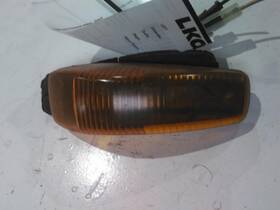
( Manufacturer Part Number: 2581880 ), ( Part Type: Light )
Review PETERBILT fits 330 2003
The **Peterbilt Model 258 330 (VIN 2581880, 2003)** is a robust and versatile heavy-duty tractor designed for demanding commercial applications, blending durability with modern efficiency. Built on Peterbilt s legendary 258 chassis a workhorse known for its strength and reliability this model features a **7.3L Cummins ISBe engine** paired with a **6-speed manual transmission**, delivering a powerful yet fuel-efficient performance ideal for long-haul, regional, or specialized freight operations. The **330 horsepower** output, combined with a **torque rating of 1,350 lb-ft**, ensures exceptional towing capacity and acceleration, making it well-suited for hauling heavy payloads, oversized loads, or challenging terrain. The **cab-over-engine (COE) design** maximizes cargo space while maintaining a compact footprint, a key advantage for operators working in tight loading docks or urban environments.
Inside, the **2003 Peterbilt 258 330** features a **spacious, well-insulated cab** with ergonomic seating, climate control, and modern amenities to enhance driver comfort during extended shifts. The **dual-zone air conditioning** and **heated seats** are particularly valuable for long-haul drivers, while the **adjustable steering wheel and pedal positioning** cater to a wide range of operator preferences. The **instrumentation** includes a **digital engine monitor**, **tachometer**, and **fuel gauge**, providing real-time performance data to optimize efficiency. For added convenience, the cab is equipped with **power outlets, a storage compartment, and a sleek, functional interior layout**, ensuring that essential tools and personal items are within easy reach.
Mechanically, the **2003 Peterbilt 258 330** is engineered for longevity, with a **heavy-duty suspension system** that absorbs road shocks while maintaining stability under load. The **air-over-hydraulic brakes** and **trailer brake controller** offer precise stopping power, a critical safety feature for commercial fleets. The **steering system** is designed for responsiveness, reducing driver fatigue during long drives, while the **exhaust system** is optimized for compliance with emissions standards of the era. Though not equipped with modern telematics, the **mechanical reliability** of this model has earned it a reputation for low maintenance costs and high resale value, making it a practical choice for operators prioritizing durability over cutting-edge technology.
Externally, the **2003 Peterbilt 258 330** carries the iconic **Peterbilt styling** sharp, aerodynamic lines that reduce wind resistance while maintaining a commanding presence on the road. The **customizable paint schemes** and **available aftermarket accessories** allow fleet managers to brand their trucks for corporate identity or specialized roles, such as refrigerated, flatbed, or dump truck configurations. The **5th-wheel hitch** is robustly constructed to handle heavy-duty trailers, and the **underbody protection** shields critical components from road debris. While the **2003 model year** predates some of today s advanced driver-assistance systems, its **proven engineering** ensures it remains a dependable asset for businesses requiring a no-nonsense, high-performance workhorse.
Overall, the **Peterbilt Model 258 330 (VIN 2581880, 2003)** is a well-rounded, high-performance tractor tailored for commercial drivers who demand power, comfort, and reliability. Whether used for regional hauling, construction support, or specialized freight, this truck delivers the strength and efficiency needed to keep operations running smoothly. With proper maintenance, it continues to serve as a testament to Peterbilt s legacy of building trucks built to last.
### **Pros and Cons of Buying a Peterbilt Model 258 (2003, 330 HP Engine, VIN 1880)**
#### **Pros**
1. **Reliability of the Peterbilt Brand**
- Peterbilt trucks are known for their durability and strong build quality, especially in the Class 8 segment. The 2003 model was built during a period when Peterbilt was still a dominant player in the heavy-duty truck market, with a reputation for longevity in the right hands.
2. **High Horsepower Engine (330 HP)**
- The 330 HP engine (likely a Cummins ISB or ISM, depending on the exact configuration) provides strong towing and hauling capabilities, making it suitable for regional or over-the-road (OTR) freight. This power output is adequate for many commercial applications, especially if the truck is well-maintained.
3. **Proven Transmission Options**
- The 2003 Peterbilt 258 likely came with either an Allison transmission (common at the time) or a manual transmission, both of which are robust and widely supported. Allison transmissions, in particular, were (and still are) known for their durability in heavy-duty applications.
4. **Availability of Parts and Service Support**
- As a mid-2000s model, parts for this truck are still relatively accessible, though not as widely stocked as for newer trucks. Peterbilt dealerships and independent shops with heavy-duty experience can still service it, though you may need to rely more on used/aftermarket parts for some components.
5. **Potential for Lower Purchase Price**
- A 2003 Peterbilt 258 will likely be significantly cheaper than a new truck, making it an attractive option for buyers looking to reduce upfront costs. This can be particularly beneficial for small fleets, owner-operators, or those running on tighter budgets.
6. **Good Resale Value for Its Age**
- Compared to some other Class 8 trucks from the early 2000s, Peterbilt models tend to hold their value reasonably well, especially if they have been well-maintained. This can be advantageous if you plan to sell or trade it in the future.
7. **Comfortable Cab Features**
- The 2003 Peterbilt 258 likely includes features such as air suspension, power steering, and a relatively spacious cab for its time, which can improve driver comfort on long hauls. Some models may also have optional amenities like climate control or better sound insulation.
8. **Proven Suspension and Braking Systems**
- The suspension and braking systems from this era were designed for heavy-duty use and, if maintained, can still perform reliably. Air ride suspensions, in particular, are durable and provide a smoother ride than older spring-based systems.
---
#### **Cons**
1. **Age and Wear**
- At 20 years old, this truck will have significant mileage (likely 500,000 miles or more) and will require regular maintenance to stay operational. Older trucks are more prone to wear and tear in critical components like the engine, transmission, axles, and drivetrain.
2. **Potential for Major Repairs**
- The 330 HP engine (likely a Cummins) is reliable, but it will have accumulated significant hours. Common issues in older Cummins engines include turbocharger failure, injector problems, or bearing wear. The transmission (Allison or manual) may also require rebuilds or replacements over time.
- Suspension components (shocks, bushings, air bags) and braking systems (drums, rotors, calipers) will need frequent inspection and replacement.
3. **Fuel Efficiency Concerns**
- Older trucks, especially those without modern emissions controls, tend to be less fuel-efficient than newer models. The 2003 Peterbilt 258 will likely consume more diesel per mile compared to a 2010s or 2020s truck, increasing operating costs.
4. **Emissions and Compliance Risks**
- The 2003 model predates stricter emissions regulations (e.g., EPA 2007 and later standards). If the truck is used for long-haul or interstate work, it may require aftermarket emissions upgrades (like DEF systems or EGR modifications) to comply with current regulations, adding to maintenance costs.
5. **Driver Comfort and Technology Limitations**
- The cab may lack modern amenities such as advanced telematics, GPS integration, or ergonomic driver seats found in newer trucks. Older models also lack features like automatic climate control, advanced safety systems (e.g., collision avoidance), or modern infotainment options.
6. **Higher Maintenance Costs Over Time**
- While parts may still be available, labor costs for repairs on an older truck can be higher due to the complexity of the work required. Dealerships may charge premium rates for servicing non-warranty vehicles, and some mechanics may lack experience with this specific model.
7. **Potential for Hidden Issues**
- Without a thorough pre-purchase inspection (PPI), there is a risk of undiagnosed problems such as:- Frame cracks or rust (common in older trucks exposed to harsh conditions).
- Worn-out drivetrain components (universal joints, axles, differentials).
- Electrical system failures (alternator, starter, wiring harnesses).
- Cooling system leaks or failure (radiator, hoses, water pump).
8. **Limited Warranty Coverage**
- Unless the truck is still under a manufacturer s extended warranty (unlikely for a 2003 model), you will bear all repair costs. This can be a significant financial burden if major components fail.
9. **Driver Retention Challenges**
- Younger drivers may prefer newer trucks with better safety features, ergonomics, and technology. An older Peterbilt could deter potential hires if your fleet relies on attracting new talent.
10. **Resale Depreciation**
- While the truck may hold value better than some competitors, it will still depreciate over time. If you plan to sell or upgrade in the future, the resale value will be lower than that of a newer truck.
---
### **Conclusion**
Buying a 2003 Peterbilt 258 with a 330 HP engine is a viable option if you are looking for a **cost-effective, heavy-duty truck** for short-term use, a small fleet, or a driver with experience in maintaining older vehicles. The truck s reliability, availability of parts, and lower purchase price make it attractive for buyers who prioritize upfront savings and are willing to invest in maintenance.
However, the **age of the truck introduces significant risks**, including higher long-term repair costs, potential compliance issues, and lower fuel efficiency. This purchase is best suited for:
- **Experienced owner-operators or small fleets** who can manage maintenance proactively.
- **Regional or local hauling** where the truck won t face extreme mileage demands.
- **Buyers who plan to keep the truck for a short period** (e.g., 3 5 years) before upgrading.
If you are looking for a **long-term investment** or plan to operate the truck at high mileage, a newer model (2010s or newer) with modern emissions compliance, improved fuel efficiency, and advanced safety features would be a more prudent choice.
---
### **Recommendation**
1. **Get a Comprehensive Pre-Purchase Inspection (PPI):**- Hire a qualified heavy-duty mechanic to inspect the engine, transmission, suspension, brakes, frame, and electrical system. This will help identify any major issues before you commit to the purchase.
2. **Review Maintenance Records:**- Ensure the truck has a complete service history, including oil changes, filter replacements, and any past repairs. A well-documented maintenance log is a strong indicator of the truck s condition.
3. **Budget for Repairs:**- Allocate funds for immediate repairs (e.g., brakes, suspension, cooling system) and plan for ongoing maintenance. Expect to spend **at least $5,000 $10,000 annually** on upkeep, depending on usage.
4. **Consider Financing Options:** - Since this is an older truck, traditional lenders may be hesitant to finance it. Explore alternative financing options such as:- **Private lenders or equipment financing companies** that specialize in used commercial vehicles.
- **Leasing or rent-to-own agreements** if you re unsure about long-term commitment.
5. **Negotiate the Price:**- Given the truck s age, negotiate aggressively, especially if it has high mileage or missing maintenance records. Aim for a price that reflects its true condition and market value.
6. **Evaluate Alternative Options:**- If your budget allows, consider a **used 2010s Peterbilt or Freightliner** (e.g., 2015 2018 model) with modern emissions compliance and better fuel efficiency. While the upfront cost will be higher, the long-term savings on repairs and fuel may outweigh the initial investment.
7. **Plan for a Short-Term Use Case:**- If you decide to purchase this truck, treat it as a **short-to-medium-term solution** (3 5 years) rather than a long-term asset. After that period, consider upgrading to a newer model to reduce operational risks.
---
**Final Verdict:**The 2
Details:
If not, let us know how to earn your 5-star rating. 2003 PETERBILT 330 3873539.
part #: 2581880 price
- $46.39
specifications tusilap:
- for models: 330
- for makes: Peterbilt
- for years: 2003
- mpn: 2581880
- part type: Light
payments tusilap:
- wallet: Google-pay
- credit card: Mastercard
- other
general tusilap:
- condition: Used
- Commercial Truck Parts > Lighting > Clearance Marker Lights
offer tusilap:
- availability: In Stock
- started: January 31, 2026
- quantity: 1
- options: Ship-to-home
- sold: 0
shipping tusilap:
- cost: $0.00
- carrier: UPS
- class: Standard, Expedited, One-day
- transit: 5-11 Days
- type: Fixed
- service: UPS Ground, UPS 2nd Day Air, UPS Next Day Air
seller tusilap:
- rating: 98.6%
- # reviews: 9161
- city: Wykoff, MN
returns tusilap:
- policy: Returns Accepted
- paid by: Seller
- time: 30 Days
