FREIGHTLINER 2647141 Powernet Distribution Box Pndb Oh 120
fits model: Century. make: Freightliner. year: 2000.
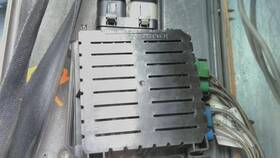
( Manufacturer Part Number: 2647141 ), ( Type: Powernet Distribution Box ), ( Side: Left ), ( Part : 31002-9 )
Review FREIGHTLINER Replaces 120 Powernet Distribution Box Pndb Oh fits CENTURY 2000
The **Freightliner Century 120 Powernet Distribution Box (PNDB) with part number 2647141** is a robust, high-performance electrical distribution solution engineered specifically for the Freightliner Century Class 8 truck lineup, designed to meet the demanding power requirements of modern commercial fleets. This compact yet durable distribution box is a critical component of the **Powernet** system, Freightliner s advanced electronic control architecture, which enhances reliability, diagnostics, and overall vehicle functionality. Built to withstand the harsh conditions of heavy-duty trucking including extreme temperatures, vibrations, and exposure to moisture and dust the PNDB is constructed from high-grade, corrosion-resistant materials, ensuring long-term durability and minimal maintenance. Its sleek, integrated design allows for efficient routing of wiring harnesses and connectors, reducing clutter and simplifying installation within the truck s electrical bay.
At the heart of this distribution box is a **120-ampere capacity**, which provides ample power distribution to essential systems such as the engine control module (ECM), transmission control module (TCM), diagnostic ports, and auxiliary devices like lighting, HVAC controls, and onboard computers. The PNDB features a **modular connector system**, allowing for easy access to fuses, relays, and diagnostic ports while maintaining a secure, vibration-resistant fit. This design not only streamlines troubleshooting and repairs but also ensures that critical electrical signals are transmitted with minimal interference, reducing the risk of system malfunctions. The inclusion of **Powernet-compatible interfaces** enables seamless integration with Freightliner s diagnostic tools, such as the **Powernet Diagnostic System (PDS)**, allowing technicians to quickly identify and resolve electrical issues through advanced fault code analysis and real-time monitoring.
For fleets prioritizing efficiency and uptime, the **2647141 PNDB** offers a balance of performance and reliability, making it an indispensable part of the Freightliner Century s electrical infrastructure. Whether deployed in long-haul, regional, or drayage operations, this distribution box ensures that power is delivered consistently and efficiently to all critical systems, contributing to the truck s overall operational longevity. Its compatibility with Freightliner s **EcoPedal** and other advanced driver-assist technologies further underscores its role in modernizing fleet operations, reducing downtime, and enhancing driver productivity. With a focus on durability, ease of maintenance, and seamless integration with Powernet s diagnostic capabilities, this distribution box is a testament to Freightliner s commitment to delivering high-performance, future-proof solutions for the commercial transportation industry.
### **Pros and Cons of Buying a 2000 Freightliner Century (2647141) with a 120-PowerNet Distribution Box (PNDB) in OH**
#### **Pros**
1. **Reliable Freightliner Build Quality**
- Freightliner trucks, especially from the early 2000s, are known for their durability and strong chassis construction. The Century model was designed for heavy-duty applications, making it suitable for long-haul or regional freight work.
2. **PowerNet Distribution Box (PNDB) Convenience**
- The PNDB provides centralized power management, allowing for easier access to electrical systems (lights, brakes, diagnostics, etc.). This can simplify troubleshooting and maintenance compared to older trucks without such a system.
3. **Potential for Lower Purchase Price**
- As a 20-year-old truck, it may be available at a significantly reduced price compared to newer models, making it an attractive option for buyers on a budget or those looking for a used workhorse.
4. **Availability of Parts and Service Support**
- Freightliner remains a major player in the trucking industry, so parts (especially for common models like the Century) are still relatively accessible. Dealerships and independent shops may have experience working on this model.
5. **Good for Commercial or Fleet Use**
- If the truck is being purchased for business purposes (e.g., logistics, delivery, or rental fleet), its age could be an advantage if maintenance costs are managed properly. Many businesses prefer older, proven trucks over newer ones with higher depreciation.
6. **Potential for Customization**
- Since the truck is older, modifications (e.g., engine upgrades, suspension adjustments, or electrical system enhancements) may be easier and less expensive than on newer models with stricter emissions or safety regulations.
---
#### **Cons**
1. **High Maintenance and Repair Costs**
- A 20-year-old truck will require more frequent and potentially costly maintenance. Critical components like the engine, transmission, suspension, and electrical systems may be nearing the end of their lifespan and could fail unexpectedly.
- Older Freightliners may not meet modern emissions standards, leading to higher repair bills for compliance or modifications.
2. **Reliability Concerns**
- While Freightliner trucks are durable, 20-year-old models may have accumulated wear and tear. Common issues include failing turbochargers, worn-out transmissions, brake system failures, or electrical gremlins (especially if the PNDB has not been well-maintained).
- The PowerNet system, while convenient, can also be a point of failure if not properly serviced. Corrosion or outdated software may require updates or replacements.
3. **Depreciation and Resale Value**
- The truck s value will continue to decline over time, and reselling it later may not yield a significant return on investment. If the truck is used for personal rather than commercial purposes, depreciation could be a drawback.
4. **Driver and Regulatory Challenges**
- Older trucks may not comply with current safety or emissions regulations, leading to potential fines or restrictions on routes (e.g., certain states or countries may prohibit older diesel engines).
- Driver comfort and technology may lag behind newer models, which could affect productivity or attractiveness to modern fleets.
5. **Fuel Efficiency and Performance**
- Older diesel engines (especially pre-2007 models) are less fuel-efficient compared to modern EPA-compliant engines. The 2000 model likely lacks advanced fuel-saving technologies like DPF (Diesel Particulate Filter) or EGR (Exhaust Gas Recirculation) optimizations.
- Power output may not match newer engines, potentially limiting payload capacity or towing ability.
6. **Electrical System Limitations**
- The PowerNet Distribution Box (PNDB) is a step up from older systems, but it may still lack the robustness of modern diagnostics or connectivity features. Issues like flickering lights, intermittent power, or compatibility problems with newer devices could arise.
7. **Inspection and Hidden Issues**
- Without a thorough pre-purchase inspection (PPI), buyers risk inheriting undisclosed problems such as:- Rust or structural damage (common in Ohio s harsh winters).
- Failed injectors, turbochargers, or exhaust components.
- Worn-out drivetrain components (e.g., universal joints, axles).
- Corroded or failing wiring in the PNDB or elsewhere.
8. **Insurance and Financing Difficulties**
- Insuring an older truck may be more expensive due to perceived higher risk. Lenders may also be hesitant to finance a 20-year-old vehicle, requiring cash purchases or higher interest rates.
---
### **Ending Conclusion**
Buying a 2000 Freightliner Century (2647141) with a PowerNet Distribution Box in Ohio can be a **cost-effective choice for businesses or experienced buyers** who prioritize durability, low upfront cost, and plan to manage maintenance proactively. The PNDB adds convenience, but the truck s age introduces significant risks, including high repair costs, reliability issues, and potential regulatory hurdles.
For **personal use or inexperienced buyers**, the drawbacks especially maintenance costs and resale value likely outweigh the benefits. However, if the truck is **thoroughly inspected, serviced, and used within a fleet or for commercial purposes where longevity is valued**, it could be a sound investment.
---
### **Recommendation**
1. **If Purchasing for Business/Fleet Use:**- **Get a comprehensive pre-purchase inspection** (focus on engine, transmission, suspension, and electrical systems, including the PNDB).
- **Budget for immediate repairs** (e.g., turbocharger, injectors, brakes, or electrical upgrades).
- **Verify compliance** with local emissions and safety regulations to avoid fines.
- **Consider a lease-to-own or short-term loan** if cash flow is a concern, but be prepared for higher interest rates.
- **Prioritize maintenance** schedule regular servicing to extend the truck s lifespan.
2. **If Purchasing for Personal Use:**- **Avoid unless absolutely necessary** modern used trucks (e.g., 2010 2015 models) offer better reliability, fuel efficiency, and lower long-term costs.
- **Only proceed if you have mechanical expertise** or access to a trusted mechanic to handle repairs.
3. **Alternative Options:**- **Look for a newer used Freightliner (2010 ) with a similar PNDB** for better reliability and compliance.
- **Consider a remanufactured engine or transmission** if the truck s core components are failing.
- **Explore financing options** from truck-specific lenders (e.g., Penske, U-Haul) that may offer better terms for commercial vehicles.
**Final Verdict:** This truck can be a **good deal for the right buyer**, but it requires **due diligence, financial preparedness, and a long-term maintenance plan**. For most casual buyers or those seeking a hassle-free vehicle, a newer used model would be the safer choice.
Details:
If not, let us know how to earn your 5-star rating.
specifications tusilap:
- for models: Century
- for makes: Freightliner
- for years: 2000
- mpn: 2647141
- type: Powernet Distribution Box
- side: Left
- part : 31002-9
general tusilap:
- Commercial Truck Parts > Lighting > Wiring Fuses
- condition: Used
returns tusilap:
- policy: Returns Accepted
- paid by: Seller
- time: 30 Days
payments tusilap:
- credit card: Visa
- other
- wallet: Google-pay
shipping tusilap:
- cost: $0.00
- service: UPS Ground
- carrier: UPS
- class: Standard
- type: Fixed
- transit: 2-6 Days
seller tusilap:
- rating: 98.4%
- # reviews: 3345
- city: Toledo, OH
offer tusilap:
- started: May 14, 2026
- options: Ship-to-home
- quantity: 1
- sold: 0
- availability: In Stock
Freightliner 2647141 Is Similar To:
- Freightliner 2304663 Replaces A06-66808-000 M2 112 2009 Fuse Box 3547884 (30.3% similar) Our climate control line for industrial and heavy duty vehicles includes radiators, radiator cores, condensers charge air coolers. Complete industrial or HD radiator. Excluding bar plate which carry a limited lifetime warranty. The part fails or becomes defective due to the vehicle being involved in...(October 3rd, 2023)
- Freightliner 2338846 Replaces A06-75981-004 Cascadia 125 2018-up 2020 Fuse Box 3585745 (30.1% similar) With millions of parts for all makes and model's. Heavy truck is north Americas largest commercial truck parts network, new and used. If not, let us know how to earn your 5-STAR rating...(January 6th, 2024)
- Freightliner 2277128 2018 Cascadia 125 Fuse Box 3516424 (35.6% similar) Using the incorrect types and levels of fluids lubricants as outlined in vehicles owners manual. Limited 36-MONTH warranty. Appropriate maintenance receipts required. Find new, reconditioned, rebuilt, and used semi-truck parts for class 5 through class failure is caused by abuse, misuse, or ...(August 1st, 2024)
- Freightliner 2275337 2015 Cascadia 113 Fuse Box 3514489 (37% similar) Or improper maintenance timing belts, water pump, thermostat, fluids and seals are routine maintenance items should be replaced at the time of installation vehicle manufacturers recommended service intervals. Limited 24-MONTH warranty. Appropriate maintenance receipts required. Plastic aluminum ...(August 1st, 2024)
- Freightliner 2352956 2012 Cascadia 113 Fuse Box 3601511 (37% similar) Our climate control line for industrial and heavy duty vehicles includes radiators, radiator cores, condensers charge air coolers. Cooling system must be properly flushed and filled with new coolant mixture. Refer to the vehicle manufacturers. Owners manual for correct operation and maintenance ...(August 1st, 2024)
- Freightliner 2271157 2016 Cascadia 113 Fuse Box 3509822 (37% similar) Find new, reconditioned, rebuilt, and used semi-truck parts for class 5 through class limited 36-MONTH warranty. Bar plate charge air cooler. Failure is caused by towing a trailer or other vehicle unless your equipped for this purpose as recommended the manufacturer. Refer to the vehicle ...(August 1st, 2024)
- Freightliner 2273899 2014 Cascadia 113 Fuse Box 3512976 (37% similar) The vehicle is not serviced at proper intervals, or fuel/oil/coolant used in accordance with the manufacturers specifications. Limited 24-MONTH warranty. Limited 36-MONTH warranty. Some states do not allow exclusion or limitation of incidental consequential damages, so the above may apply to you. ...(August 1st, 2024)
- Freightliner 2434137 2017 Cascadia 125 Fuse Box 3691537 (35.6% similar) If not, let us know how to earn your 5-STAR rating...(August 1st, 2024)
- Freightliner 2435631 2016 Columbia 120 Fuse Box 3693205 (38.5% similar) If not, let us know how to earn your 5-STAR rating...(August 1st, 2024)
- Freightliner 2435362 2019 Cascadia 126 Fuse Box 3692900 (35.6% similar) If not, let us know how to earn your 5-STAR rating...(August 1st, 2024)
- Freightliner 2313841 2020 Cascadia 126 Fuse Box 3558066 (37% similar) Limited 12-MONTH warranty. All external causes that can lead to electrolysis and/or corrosion must be verified and eliminated. Failure is caused by or related to a collision, fire, theft, vandalism, riot, explosion, lightning, earthquake, windstorm, hail, water, freezing flood. The vehicle is not ...(August 2nd, 2024)
